


Buying Dental Loupes as a Dental Student: The ILLUCO Australia Guide
For everyone preparing to study dentistry in Australia, there is a specific moment when things start to feel "real." Usually, it’s the day you get fitted for your first pair of loupes. It marks the shift from simply l...
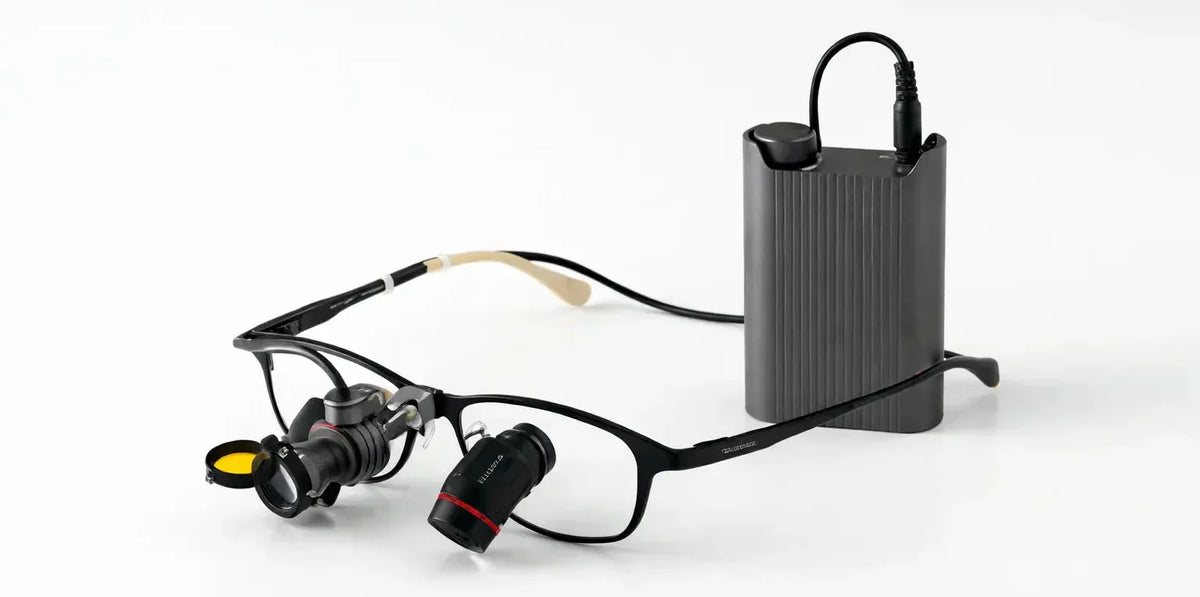
For everyone preparing to study dentistry in Australia, there is a specific moment when things start to feel "real." Usually, it’s the day you get fitted for your first pair of loupes. It marks the shift from simply learning the theory to mastering the manual dexterity required for clinical practice.
But if you’ve walked into a trade display at your uni or browsed online, you know the feeling: information overload. Between magnification levels, working distances, and lighting options, finding the right pair can be daunting.
At ILLUCO, we design dental magnifying loupes that combine high-definition clarity with the ergonomic comfort essential for those long, demanding sessions in the sim clinic. We know that the equipment you choose today plays a pivotal role as you study dentistry and transitions with you into professional practice.
This guide breaks down exactly what students need to look for to ensure their loupes support a long, healthy career. Whether your goal is to establish your own practice as a dedicated Brisbane dentist or an Adelaide dentist, precision is key. Our optics are built to travel with you, helping you deliver exceptional care whether you are becoming the kind of dentist Perth patients trust, or joining the competitive ranks of a leading dentist in Sydney and Melbourne clinics.
1. Start with Purpose: What Will You Be Doing?
Before getting lost in the specs, think about your daily reality. Are you in your first year focusing on morphology, or are you moving into endo and restorative work?
✓ General Dentistry & Hygiene: A lower magnification (2.5X – 3.50X) is the industry standard for a student or general dentist. It provides a wider field of view, helping you maintain situational awareness in the mouth crucial when you are just learning hand skills.
✓ Restorative & Detailed Work: As you progress, you may want higher magnification, but for a first pair, 2.5X or 3.50X is the sweet spot.
✓ Pro Tip: Don’t rush into high magnification (like 4.0X) straight away. Start with a comfortable baseline to build your muscle memory and technique.

2. The "Dentist Hunch": Understanding Working Distance
Ergonomics isn't just a buzzword; it’s the key to a long career. Musculoskeletal issues are common in dentistry, often starting in dental school due to poor posture.
✓ Find Your Number: Your "working distance" is the measurement from your eyes to the patient’s mouth while you are sitting upright with your shoulders relaxed.
✓ Why It Matters: If your dental loupes are set to the wrong distance, you will naturally hunch forward or lean back to focus, leading to neck and back strain. A custom-measured working distance keeps your posture neutral and pain-free.
3. Field of View & Depth of Field
When you test a pair of loupes, look at how much of the area remains in focus without you having to move your head.
✓ Field of View (Width): A wider view allows you to see multiple teeth or the entire arch, which helps with orientation.
✓ Depth of Field (Focus Range): This is the "wiggle room" you have to lean in or out while keeping the image sharp. A deeper depth of field is forgiving, meaning you don't have to constantly readjust your position mid-procedure.
4. Frames: Comfort is King
You might be wearing these for 3+ hours during a complex crown prep or a long clinic session. If they are heavy or slip down your nose, they will become a distraction.
✓ Look for:
Adjustable nose pads, secure temple arms, and lightweight materials.
✓ Durability: Ensure the frames and lenses are resistant to the harsh sterilization chemicals and wipes used in Australian clinics.
5. Lighting: Why the Overhead Light Isn't Enough
Even the best clinical lights cast shadows when your hands or head get in the way. A dedicated LED Headlight is almost mandatory for modern practice.
✓ What to check: Look for colour accuracy (neutral white light helps you match shades accurately) and battery life that can last through a full day of labs or patients.
6. Try Before You Buy
Every face shape is different. Just because a brand is popular with your cohort doesn't mean it fits your face or bridge.
✓ The Test: If possible, wear them for a few minutes while simulating a procedure. Check the weight distribution if they feel front-heavy now, they will feel much heavier after an hour.
7. Think Long-Term: Quality as an Investment
Cheap loupes often suffer from optical aberration (distortion at the edges), which forces your brain to work harder to fuse the images, leading to eye strain and headaches. Invest in optical precision that will last through your BDSc/DMD and into your graduate years.
A quality pair of dental loupes is a partner in your professional journey.
Ready to find your fit?
Whether you’re in your first year or preparing for final clinics, our team is here to guide you.
Contact our sales team today: info@illuco.com


