


The Role of Magnification in Surgical Precision: Illuco Insights
Magnification sharpens surgical and dental precision when it is matched to the task and fitted well. ILLUCO on loupes, optics, light and ergonomics.
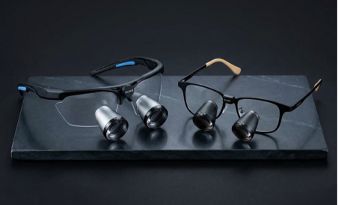
Precision sits at the centre of every good surgical and dental outcome, and the unaided eye has real limits. It cannot reliably resolve the fine margins, canal orifices and tissue planes that separate a clean result from a complication, and that resolution falls further with age. Magnification has become standard equipment in operating theatres and dental surgeries for exactly this reason. This piece from ILLUCO Australia looks at how magnification supports surgical precision, the ergonomic gains that come with it, and how to choose and fit loupes so the benefit is real rather than marketing.
1. Why magnification sharpens precision
More magnification means more detail, and more detail supports better detection and more accurate work. A review of the evidence found that magnification loupes produce significant gains in detection and diagnostic ability, with improved treatment outcomes for several procedures. A randomised crossover study found that 2.5x loupes increased the accuracy of two-dimensional cavity preparations compared with the unaided eye, and magnification is considered essential for tasks as fine as locating the second mesiobuccal canal in upper molars. The same review notes that 2.5x magnification significantly increased the precision of tooth preparation in the simulation lab compared with the naked eye.
2. The ergonomic dividend: precision you can sustain
Magnification does more than help you see; it lets you sit or stand back from the patient instead of craning over them. That matters because work-related musculoskeletal disorders are widespread in these professions. In one analysis, 87% of surgeons who regularly perform minimally invasive operations reported musculoskeletal pain, and degenerative neck and lower-back disease and rotator cuff problems are all common. Surveyed surgeons report that these injuries cut operative volume and affect their performance. Well-fitted loupes let the clinician keep a more upright head position, and keeping neck flexion at or below about 25 degrees helps protect the spine over a long career.
ILLUCO's ERGO X is built around this principle, and the loupe fitting guide walks through getting the geometry right.
3. Matching magnification to the task
More magnification is not automatically better. Higher power narrows the field of view and shrinks the depth of field, so the right choice depends on the work. Low-power 2.5x suits general procedures and cavity preparation, while 4x or higher is preferable for crown preparation and fine, deep work. Magnification also compensates for the drop in visual acuity that tends to set in from around the age of 40, which is why so many clinicians adopt loupes in mid-career.
4. Galilean or prismatic optics
The two common optical systems sit at different points on the magnification scale. Galilean loupes are lighter and run from about 2.5x, while prismatic systems reach higher magnifications and resolve finer detail. The evidence review notes that both Galilean and prismatic loupes provide clinically appropriate magnification between 2.5x and 5.0x, and while prismatic optics can give higher visual acuity, the difference between the two is often not clinically significant; both improve visual acuity and posture compared with the naked eye. ILLUCO offers both Galilean and prismatic options, so the choice can follow the task rather than the catalogue.
5. Through-the-lens or flip-up
Beyond the optics, the mounting style shapes day-to-day comfort. Through-the-lens loupes are set into the carrier lens, which keeps them light and gives a wide field of view at a fixed working distance. Flip-up loupes mount on a bracket, can be moved out of the way between tasks and sit more easily over a prescription. ILLUCO's Instant TTL loupes and Flip-Up range cover both approaches.
6. Light is half the picture
Magnification and illumination work as a pair. As you magnify, you also need more, better-aimed light on a smaller field, or the gain in detail is lost to shadow. Studies of visual performance record substantial improvements when magnification is used under proper illumination. A coaxial LED headlight removes the shadowing that overhead lights cast into cavities and deep fields. ILLUCO's headlight range is designed to pair with its loupes for shadow-free, focused light.
7. Fit is where precision is won or lost
A loupe only delivers if it fits the individual. Working distance has to match the clinician's height and posture so they are not pulled forward, and the declination angle has to be steep enough to keep the head upright. Surgical ergonomics programs now fit each clinician with loupes set to a proper declination angle to minimise neck flexion, and experts stress customising the declination angle to balance a smaller neck angle against eye strain. The evidence also recommends that loupes be used only after appropriate professional training. ILLUCO's fitting guide is the place to start.
The bottom line
Magnification multiplies surgical precision, but only when the power suits the task, the optics suit the eye, the light matches the magnification and the fit keeps you upright. Get those four right and the detail does the work for you. Explore ILLUCO's loupe range and the fitting guide, or contact the ILLUCO Australia team to match a setup to the way you work.


